Is AC water leaking inside your house an emergency?
You walk past the closet, the utility room, or down to the basement — and there it is. A puddle under your air conditioner. Maybe a slow drip. Maybe a wet spot creeping across the ceiling below your attic unit. Your first thought is the right one: this isn't supposed to happen.
So let's answer the question you're really asking.
The short answer: treat it like one
A little condensation on the outside of your unit is normal. A puddle of water inside your home is not. Water where it doesn't belong ruins drywall, warps flooring, feeds mold behind your walls, and can short out the electrical components inside your air handler. None of that fixes itself, and all of it gets more expensive the longer it sits.
You don't necessarily need someone at your door in the next ten minutes. But this is a "handle it today" problem, not a "deal with it next month" problem. The faster you stop the leak, the less damage you're paying to repair later.
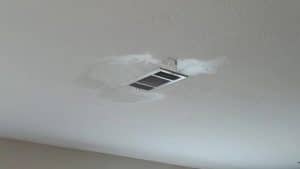
Why your AC is leaking water inside
Your air conditioner pulls humidity out of the air as it cools your Oak Ridge home. That moisture is supposed to collect in a drain pan and drain safely outside through a condensate line. When water shows up on your floor instead, one of those systems has failed. Here are the usual suspects:
A clogged condensate drain line. This is the number-one cause. Algae, dust, and gunk build up inside the drain line and back the water up until it overflows the pan. Common, messy, and very fixable.
A cracked or rusted-out drain pan. Older systems wear out. If the pan that catches the condensation has corroded through, that water goes straight to your floor.
A frozen evaporator coil. If your coil ices over — often from low airflow or low refrigerant — it dumps a flood of water the moment it thaws. If you spot ice on your unit, shut the AC off and let it melt before it makes the leak worse.
A dirty air filter. A clogged filter chokes airflow across the coil, which leads to freezing, which leads to leaking. It's astonishing how often this simple, cheap part is the root of the whole mess.
A disconnected or broken drain line. Sometimes the line simply comes loose or cracks, and the water never makes it outside at all.
Low refrigerant. Beyond freezing the coil, low refrigerant means there's a leak somewhere in a sealed system — that's a job for a licensed tech, not a DIY patch.
What to do right now
Before you call anyone, take a few minutes to limit the damage:
- Turn the system off. Shut it down at the thermostat. Running it while it leaks only adds more water and risks the electrical components inside your air handler.
- Mop up the standing water. Get towels or a wet/dry vac on it fast, especially near anything electrical or on a floor that can warp.
- Check your air filter. If it's gray and clogged, swap it. Sometimes that alone gets things back on track once the coil thaws.
- Look for ice. If the coil or lines are frozen, leave the system off and let it fully melt. Don't chip at it.
- Don't go poking into the drain line or refrigerant. Beyond a filter swap and a quick visual check, this is where a homeowner fix ends and a pro begins.
If the leak keeps going after the filter change and thaw, or you see water near the ceiling, walls, or electrical panel, it's time to bring in help before it turns into a drywall-and-mold problem.
When to call Climate Plus
If you're mopping up water and you're not sure why — or you've tried the filter and it's still leaking — call us. Our AC repair team will find the actual cause, not just the symptom, and get it fixed right. We serve Oak Ridge and neighbors across Hawthorne, Sparta, Kinnelon, Bayville, and Jefferson Township with fast, same-day appointments when your home can't wait.
Here's what your neighbors already know about us: we show up fast, we tell you the truth about what's actually wrong, and we don't upsell you into repairs you don't need. Straight answers, fair pricing, techs who know their stuff.
How to keep it from happening again
Most indoor AC leaks trace back to skipped maintenance. A clogged drain line and a dirty filter — the two most common causes — are exactly what a seasonal tune-up catches before they flood your floor. During a visit, we flush the condensate line, check the drain pan, clean the coil, and confirm your system is draining the way it should.
A little upkeep is a lot cheaper than replacing a ceiling. Ask us about our AC maintenance plans and keep leaks off your list of summer surprises.
Don't Let a Small Leak Become a Big Repair
Water inside your house is your AC waving a red flag. Catch it early and it's a quick fix. Ignore it and it becomes drywall, flooring, and mold. Don't wait it out.